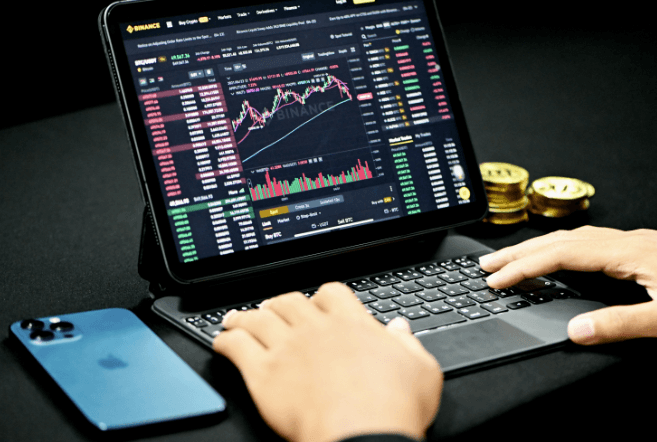
Crypto trading best practices revolve around disciplined risk control, transparent decision metrics, and ongoing education. Traders should calibrate position sizes to risk tolerance, implement data-driven criteria, and maintain reproducible trade logs to guard against overfitting. Security hygiene and tool provenance are essential, as are regulatory awareness and emotional discipline. Continuous adaptation within defined boundaries supports long-term participation. The balance between rigorous process and flexible response invites deeper examination of how these elements interact under stress and change.
Master Foundational Crypto Trading Principles
Mastering foundational crypto trading principles requires a disciplined, evidence-based approach. The analysis emphasizes disciplined risk assessment, transparent decision logs, and objective performance metrics. Traders evaluate trade setups with reproducible criteria, calibrate expectations against historical data, and resist overfitting. Core concepts include risk management and portfolio sizing, ensuring limitations align with capital, stress tests, and scenario planning to preserve capital under volatility.
Build Your Concrete Risk and Capital Plan
Developing a concrete risk and capital plan requires translating qualitative risk concepts into measurable, executable controls. The approach emphasizes risk capital, disciplined position sizing, and alignment with risk tolerance. By codifying limits and thresholds, traders safeguard capital preservation while enabling measured exposure. Regular reviews compare actual outcomes to targets, driving data-driven adjustments and ensuring disciplined, freedom-focused trading within defined boundaries and objectives.
See also: newstrout
Choose Safe Tools and Security for Crypto
Selecting robust tools and securing crypto assets requires a methodical, evidence-based approach. The analysis focuses on tool provenance, secure wallets, and verifiable security histories, guarding against risk exposure. Emphasis rests on security hygiene and minimized attack surfaces. Phishing prevention, multi-factor authentication, and routine credential audits are recommended. Decisions should balance autonomy with safeguards, enabling confident, freedom-oriented participation in crypto markets.
Stay Informed, Compliant, and Emotionally Smart
Staying informed, compliant, and emotionally intelligent is essential for sustainable participation in crypto markets; data-driven monitoring of regulatory updates, market signals, and personal behavioral patterns supports prudent decision-making.
The analysis emphasizes disciplined risk controls, awareness of volatile liquidity, and contingencies for unintended slippage, while maintaining autonomy and freedom.
Timely audits, varied sources, and calibrated exposure reduce behavioral biases and enhance resilient trading strategies.
Conclusion
Crypto trading thrives on disciplined risk management and data-driven decisions. A recent survey found that traders who log trades and run regular performance reviews improve profitability by about 30% over a year. By calibrating position sizes to risk, enforcing strict security hygiene, and staying compliant, practitioners reduce drawdowns and guard capital during volatility. The most compelling practice is maintaining transparent, reproducible criteria for entries and exits, enabling steady, adaptive progress within defined boundaries.
